
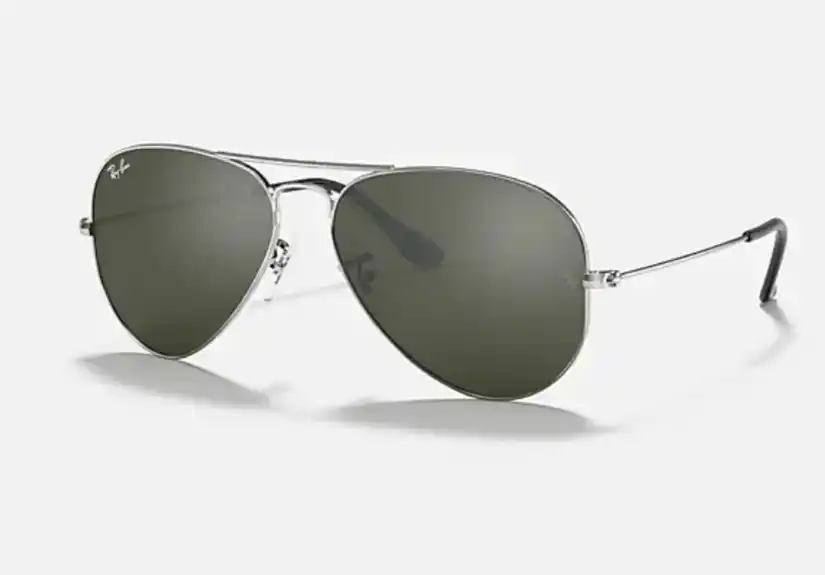
Aviator sunglasses have earned a place in firearms culture through history, function, and the people who continue to wear them.
They are also cool glasses. The thin metal frames, large lenses, and familiar shape have looked good for decades. More importantly for firearms enthusiasts, Aviators have real roots in military aviation. They later became associated with police officers, outdoor use, action films, and American culture.
That connection is still visible in the firearms industry. Colion Noir and Garand Thumb are two well-known firearms personalities who have worn Aviator-style sunglasses. Their personal styles are very different, but the glasses look natural on both of them.
There is one practical distinction worth making. Standard Aviator sunglasses should not automatically be treated as shooting glasses. Anyone who wants the same look during live fire should verify the impact rating or choose protective eyewear inspired by the classic design.
Aviator Sunglasses Started With Military Aviation
Aviators were not originally created as a fashion accessory.
Early pilots needed eyewear that reduced glare and provided broad coverage in bright conditions. Traditional flight goggles could be bulky. As a result, pilots needed something lighter and easier to wear.
The resulting design used a thin metal frame and large teardrop-shaped lenses. Those lenses covered more of the area around the eyes. At the same time, the lightweight frame made the glasses more comfortable than older goggles.
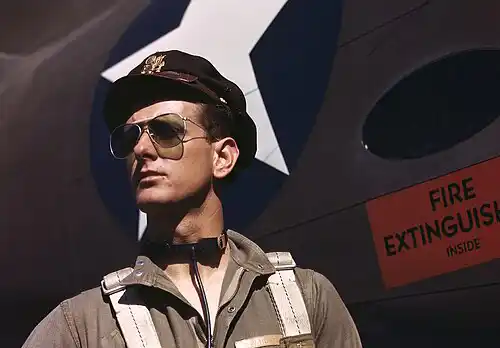
According to Ray-Ban’s history, the company developed glare-reducing lenses for U.S. pilots during the 1930s. Ray-Ban identifies 1937 as the introduction of the Aviator Classic.
That history gives Aviator sunglasses an authentic connection to military and outdoor culture. They did not begin as eyewear designed to imitate military equipment. They began as functional equipment.
Why the Aviator Sunglasses Design Still Works
Many historical products no longer look appealing outside a museum. Aviators are different.
The thin frame, double bridge, and teardrop lenses remain easy to recognize. The glasses stand out without looking excessive. They also work with everything from jeans and a T-shirt to a field jacket or button-down shirt.
That flexibility matters in the firearms industry. Not every gun owner wants to dress in tactical clothing or wear accessories that immediately identify them as part of the shooting community.
Aviator sunglasses offer a subtler connection. Their military background is there, but they are also practical everyday sunglasses. They work while driving, traveling, attending industry events, or going about the rest of the day.
Aviator Sunglasses in Firearms Culture
Firearms culture has always drawn from military, law enforcement, aviation, hunting, and outdoor traditions.
That influence appears in boots, field watches, jackets, bags, and eyewear. Aviators fit naturally into that mix because they already have the history to support the connection.
They are not trying to look military-inspired. They are military-inspired.
Colion Noir and Garand Thumb are good modern examples of how the Aviator look fits different parts of firearms media.
Colion Noir is known for combining firearms and Second Amendment commentary with a polished personal style. Aviator-style sunglasses fit naturally into that presentation.
Garand Thumb has a different image. His style is tied more closely to military experience, field equipment, training, and firearms testing. Aviator-style glasses work there as well.
Neither personality created the connection between Aviators and firearms. That connection existed long before either entered the industry. Instead, they show that the design still works across very different parts of modern firearms culture.
Top Gun Helped Keep Aviator Sunglasses Relevant
Hollywood also helped keep Aviators connected to military confidence and aviation.
The most obvious example is Top Gun. Tom Cruise’s Maverick made Aviator sunglasses part of one of the most recognizable military-film images of the 1980s.
The glasses belonged in that setting because they already had a real connection to military pilots. The movie did not create that relationship. It introduced it to a much larger audience.
The influence returned with Top Gun: Maverick. GQ reported that the sequel renewed interest in Aviator sunglasses, echoing the effect of the original film decades earlier.
That kind of staying power is unusual. Aviators remain linked with military aviation, confidence, and people who operate serious equipment. Those same qualities make them feel at home in firearms culture.
Ray-Ban Has Preserved the Aviator Look
Ray-Ban has introduced different versions of the Aviator over the years, but the basic design remains familiar.
The current Ray-Ban Aviator collection includes different lens colors, frame finishes, sizes, and variations. However, the thin metal frame and large lens shape remain at the center of the collection.
Buyers can choose traditional green lenses, darker tints, mirrored lenses, or other variations without losing the overall Aviator identity.
Many companies update classic products until little remains of the original. Ray-Ban has generally avoided that problem. The Aviator has changed enough to stay current without losing the features that made it recognizable.
Aviator Sunglasses Are Not Automatically Shooting Glasses
This is where the topic becomes especially relevant for firearms enthusiasts.
Aviators have military roots and look right at home around firearms. They are also worn by some of the most recognizable people in the industry. However, none of that automatically makes a pair of sunglasses suitable for live fire.
Standard Ray-Ban Aviators are sold as sunglasses. Shooters should not assume they provide ballistic protection unless a specific model is clearly marked as meeting an appropriate impact standard.
This is not criticism of Colion Noir, Garand Thumb, or anyone else seen wearing Aviator-style glasses. A photo or video does not necessarily show what eyewear someone uses during every live-fire session.
The point is simply that appearance and safety ratings are two different things.
When shooting, lens material, frame construction, coverage, and impact rating matter more than style. Ordinary sunglasses may reduce glare and provide UV protection. Those benefits are still not the same as tested impact protection.
Look for Rated Aviator-Style Eye Protection
Shooters who like Aviator sunglasses do not necessarily have to give up the look at the range.
Some protective eyewear uses a similar shape while adding larger lenses, more wraparound coverage, stronger materials, and frames designed to stay secure during active use.
Those glasses may not look exactly like traditional Ray-Bans. That is often the compromise required to provide better protection.
The important step is to verify the actual rating. A pair of glasses can resemble an Aviator without being suitable for shooting. Check the manufacturer’s specifications and confirm that the eyewear meets a recognized impact standard.
Traditional Aviators still make sense for driving, travel, outdoor events, casual wear, and time spent around the firearms industry. Ballistic-rated eye protection makes more sense during live fire.
That may mean switching glasses when arriving at the range. It may also mean finding an Aviator-inspired protective design with a suitable safety rating.
Final Thoughts on Aviator Sunglasses
Aviator sunglasses have earned their place in firearms culture.
They began as practical eyewear for pilots and became one of the most recognizable sunglass designs in the world. Movies such as Top Gun reinforced the military connection. Modern firearms personalities such as Colion Noir and Garand Thumb show that the style still fits naturally within the industry.
And yes, Aviators are simply cool glasses.
They look confident without being loud. They carry military history without appearing like costume equipment. They also work across different styles, which explains why they continue to appear around firearms, aviation, vehicles, and outdoor culture.
Just remember that history and appearance are not safety ratings.
Traditional Aviators are excellent everyday sunglasses. For live fire, shooters should verify the impact rating or look for an Aviator-inspired design made specifically to provide proper eye protection.