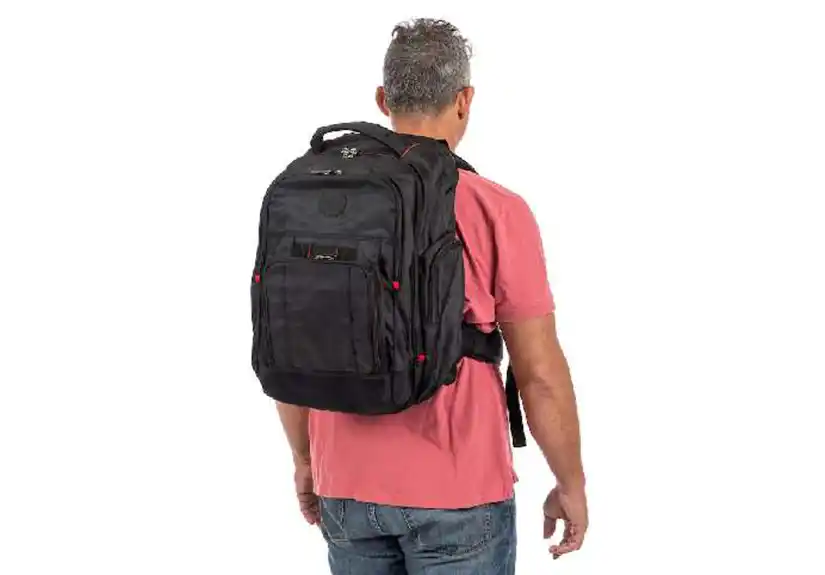
A bulletproof backpack is no longer just for military or law enforcement. Today, civilians are seeking practical ways to add ballistic protection to their daily carry without drawing attention. Bulletproof backpacks combine storage, comfort, and armor into one discreet package.
Bodyguard focuses on armored backpacks for civilian use, travel, and emergency preparedness. Instead of emphasizing tactical looks, these backpacks prioritize usability, concealment, and modular protection. Below is a detailed look at Bodyguard’s bulletproof backpack lineup, sorted by starting price and intended use.
What Is a Bulletproof Backpack?
A bulletproof backpack is a standard backpack with ballistic armor panels or plates. Most civilian models use Level 3A soft armor, rated to stop common handgun threats. Some backpacks also accept rifle-rated hard plates for extra protection.
Unlike traditional body armor, a ballistic backpack can be worn comfortably throughout the day. It provides passive protection while commuting, traveling, or attending public events. When needed, users can position the pack between themselves and a threat for added safety.
Understanding Armor Coverage: Level IIIA vs Level III+
Most civilian bulletproof backpacks use Level IIIA (often listed as 3A) soft armor. This armor stops common handgun rounds such as 9mm, .40 S&W, and .44 Magnum. It is lightweight, flexible, and comfortable enough for daily carry, but it will not stop rifle rounds.
Backpacks that accept Level III+ hard plates provide protection against many rifle rounds, including 5.56 NATO and 7.62×39. These plates are heavier and less flexible, so they are typically used when maximum protection is needed. In backpacks designed for front and rear deployment, III+ plates can offer nearly full ballistic coverage.
Many Bodyguard backpacks allow users to combine soft and hard armor. This gives the flexibility to prioritize comfort for everyday use or maximum protection in higher-risk situations. The price range for each of the backpacks below is based on the level of coverage. All three have the same options for protection.
Bodyguard Switchblade Bulletproof Backpacks
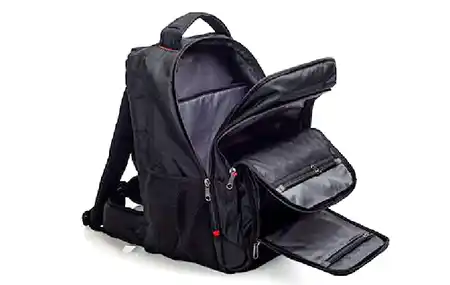
The Bodyguard Switchblade Bulletproof Backpack is the most accessible option in the lineup. It functions as a normal everyday backpack while offering rapid deployment of ballistic protection.
The Switchblade uses a patented system to provide front and rear coverage when needed. This feature sets it apart from many ballistic backpacks that only protect the back.
- 40-liter capacity suitable for daily carry, travel, or range gear
- Accepts two standard 10×12 ballistic plates
- Available with Level 3A soft armor or optional rifle plates
- Slash-resistant, stab-resistant, and water-resistant construction
- MOLLE-compatible exterior for modular expansion
Thanks to its size and versatility, the Switchblade works well for everyday carry. It blends into normal environments while still offering meaningful ballistic protection. $299-$899
Bodyguard Elite Bulletproof Backpacks
The Bodyguard Elite Bulletproof Backpack suits users who want a compact and discreet armored backpack. While offering the same protection options as the Switchblade, it comes in a smaller, cleaner profile.
This model is perfect for commuters, students, and professionals who want a backpack that does not stand out. Its reduced size makes daily carry easier without compromising protection.
- 25-liter capacity for laptops and daily essentials
- Front and rear ballistic protection capability
- Compatible with Level 3A soft armor and rifle plates
- Durable Cordura construction with reinforced stitching
- Slash-resistant and water-resistant materials
The Elite prioritizes comfort and discretion while still providing serious protection. It is ideal for those who need everyday ballistic coverage. $369-$899.
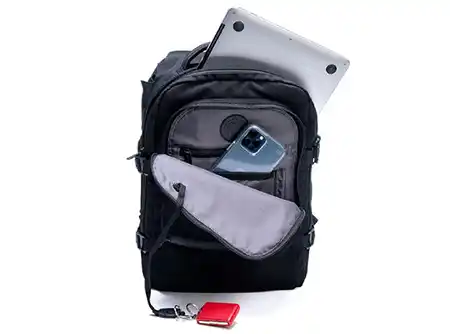
Bodyguard First Responder Bulletproof Backpack Plate Carrier
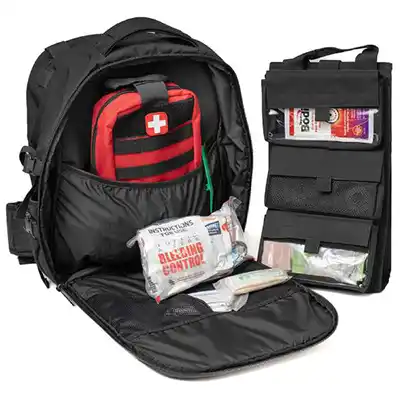
The Bodyguard First Responder Bulletproof Backpack is the most specialized option. It focuses on rapid deployment and organized gear access rather than daily carry aesthetics.
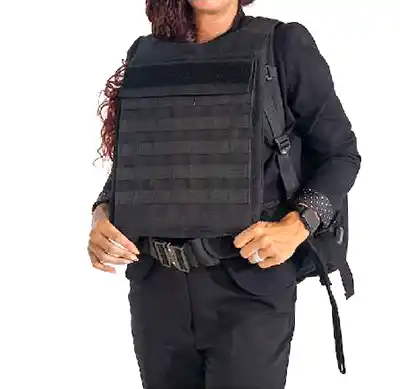
This backpack doubles as a plate carrier system, making it ideal for emergency preparedness, medical kits, or vehicle-staged gear.
- Rapid-deploy belt system for quick donning
- 40-liter capacity with structured internal organization
- Accepts standard 10×12 ballistic plates
- MOLLE webbing for medical or response equipment
- Slash-resistant, stab-resistant, and water-resistant construction
While it can be worn as a backpack, the First Responder excels for emergency use, offering faster access and better organization than standard ballistic backpacks. $369-$899
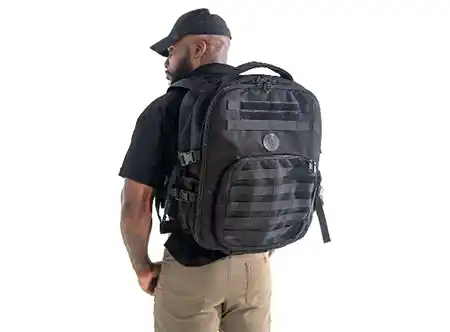
Choosing the Right Bodyguard Bulletproof Backpack
All Bodyguard backpacks share a core concept: discreet ballistic protection combined with functional storage. Each model supports standard armor plates and offers protection against slashing and stabbing threats.
The main differences are size, deployment speed, and intended use:
- Switchblade: Best overall value and versatility
- Elite: Best for discreet everyday carry
- First Responder: Best for emergency preparedness and response
The video below demonstrates how the backpacks are deployed. It also breaks down the differences between them very well. For daily carry with minimal attention, the Elite or Switchblade are ideal. For preparedness-focused users, the First Responder provides faster access and organized gear.
Final Thoughts
Bulletproof backpacks are gaining popularity as civilians seek low-profile safety solutions. Bodyguard’s lineup covers a wide range of use cases – from discreet commuting to dedicated emergency response.
By understanding each backpack’s design and purpose, you can choose the right model for your needs. Whether you value discretion, capacity, or rapid deployment, Bodyguard offers a practical solution that integrates ballistic protection into everyday life.
Bulletproof Backpacks FAQs
Are bulletproof backpacks legal to own?
Yes. Bulletproof backpacks are legal in all 50 U.S. states. Civilian body armor, including ballistic backpacks, is legal for personal use. Some local restrictions may apply, but most people can own them without issue.
What level of protection do bulletproof backpacks offer?
Most civilian backpacks use Level 3A soft armor, which stops common handguns such as 9mm, .40 S&W, and .44 Magnum. Many backpacks also accept rifle-rated plates for added protection.
What is the difference between a bulletproof backpack and an armored backpack?
There is no functional difference. Terms like “bulletproof,” “armored,” and “ballistic backpack” are interchangeable. All refer to backpacks designed to hold ballistic panels or plates.
Can a bulletproof backpack stop rifle rounds?
Level 3A soft armor does not stop rifle rounds. However, many models accept hard armor plates rated for rifles. Protection depends on the installed armor.
Are bulletproof backpacks heavy?
Weight varies with armor type and backpack size. Level 3A backpacks are manageable for daily carry. Adding rifle plates increases both weight and protection.
Can you use a bulletproof backpack for everyday carry?
Yes. Many backpacks are designed for daily use. Discreet models blend into normal environments while providing passive protection.
Do bulletproof backpacks protect both the front and back?
Some backpacks only protect the back. Others provide both front and rear coverage using deployment systems or additional panels. Protection varies by model.
Who should consider a bulletproof backpack?
These backpacks appeal to civilians prioritizing safety – commuters, travelers, parents, and emergency-preparedness enthusiasts. They offer extra protection without the bulk of traditional body armor. Visit Bodyguard Concealed Armor Systems for more information.
doxycycline monohydrate
doxycycline monohydrate