
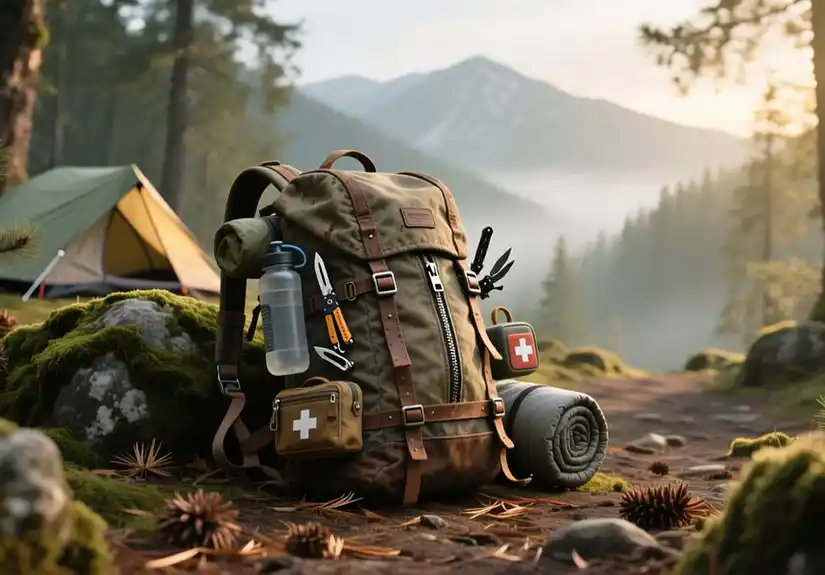
A hunting kit proves its worth the moment a plan falls apart. A downed animal two miles from the truck, a dead phone, a temperature drop at dusk, or a cut that needs attention before the walk out can quickly change the course of a hunt.
The gear a hunter carries every day, whether in a pack, pocket, or on a belt, is what answers those moments. A good hunting EDC kit is built around the tasks the field actually demands while staying lean enough that carrying it becomes routine.
What Is a Hunting EDC Kit?
Everyday carry for a hunter is the basic set of tools that goes on every trip, regardless of species or season. The rifle or bow sits outside this kit. Instead, hunting EDC covers the layer underneath: a blade, fire, light, navigation and signaling tools, and basic first-aid supplies.
Each item should pass a simple test. If it performs a job that the trail, weather, or animal is reasonably likely to produce, it earns a place. If it covers a situation that is unlikely to occur or duplicates equipment without adding much value, it may be better left behind.
It also helps to divide the kit between two locations. A belt or pocket should hold tools that may be needed immediately, such as a knife and flashlight. The pack can hold the rest, organized so important equipment remains easy to find when it is cold, dark, or time matters.
Cutting Tools for a Hunting EDC
The blade is at the center of a hunting EDC kit. A fixed-blade knife with a 3.5- to 4-inch drop-point blade can handle most game-processing tasks. It is large enough to work through hide and muscle while remaining manageable for detail work around joints.
Fixed blades are also sturdy and relatively easy to clean. That becomes particularly useful after field dressing, when blood, hair, and other debris can work their way into the pivot and other moving parts of a folding knife.
Many hunters carry a backup blade as well. A folding knife can handle general cutting tasks while leaving the primary hunting knife clean and sharp for processing game. IndustryOutsider has covered classic EDC options such as the Buck 110 Slim Heritage Elite as well.
Some hunters invest in custom knives selected for their hand, preferred blade steel, and the type of work they expect to perform. A brightly colored handle is also worth considering. A knife with an orange or other high-visibility handle is much easier to locate after being set down in leaves, grass, or brush.
Whatever knife you choose, carry a way to maintain the edge. A compact sharpener adds little weight and can be valuable during a long day of processing game.
Depending on the animal, a small gut hook may also be useful when opening the body cavity, while a folding bone saw can earn its place when quartering an elk or large deer far from the truck. Match the cutting tools to the game you actually hunt rather than carrying equipment for jobs you are unlikely to encounter.
Fire and Light
Fire-starting equipment provides an important backup when weather or an unexpected overnight stay turns a normal hunt into a survival situation. Cold and wet conditions can increase the risk of hypothermia, making the ability to produce heat particularly important.
Carrying more than one method of starting a fire adds redundancy without adding much weight. Waterproof matches, a lighter, and a ferrocerium rod provide several options if one method fails.
A small amount of dry tinder stored in a sealed bag can be just as important. Starting a fire with wet natural materials and cold hands is considerably more difficult than doing it under controlled conditions.
Light is another essential part of hunting EDC.
A headlamp keeps both hands free for field dressing, navigating, or working around camp after sunset. A second light or spare batteries should also be carried. Game recovery can easily continue after dark, and losing your only light can make an otherwise manageable walk back unnecessarily dangerous. For an example of a lightweight option, see our Coast FL19 Dual Color Wide Angle Flood Headlamp review.
Navigation and Signaling
The woods can look very different after sunset than they did at dawn. Reliable navigation should therefore be part of every hunting kit.
A map and compass provide a simple backup that does not depend on battery life or cellular coverage. A phone or GPS device can be extremely useful, but cold temperatures can reduce battery performance and cellular service may disappear in canyons, mountains, or heavy timber.
Electronics are valuable navigation tools, but they should not completely replace basic navigation skills.
Signaling equipment is also lightweight enough that there is little reason to leave it behind. A whistle carries farther than a voice and requires less energy to use, which can matter if a hunter is injured or exhausted. Three whistle blasts are commonly used as a distress signal.
A small piece of high-visibility material can provide another way to attract attention from searchers or aircraft without adding meaningful weight to the pack.
First Aid and Field Care
A hunting first-aid kit should be prepared for both routine injuries and more serious bleeding.
Adhesive bandages, gauze, medical tape, and antiseptic supplies can handle many of the small cuts and scrapes that occur outdoors. Hunters who carry equipment for controlling severe bleeding should also have appropriate training in how and when to use it.
A compact kit may include a pressure dressing or tourniquet, particularly when hunting far from immediate medical assistance. These tools are most useful when the person carrying them knows how to use them correctly.
Field care for harvested game requires a few additional supplies.
Game bags help keep meat clean during the pack out, while paracord can be used for hanging, securing loads, and making temporary repairs. Disposable nitrile gloves are also useful when field dressing and handling organs.
Keeping spare batteries for a headlamp accessible is a small detail that can make a significant difference. A long day that includes an injury or difficult recovery is also likely to be a day that ends after sunset.
Tree Stand Safety
Hunters using elevated tree stands face another hazard that deserves specific preparation. Falls from tree stands can cause serious injuries, including spinal fractures, head injuries, and other trauma.
A properly fitted full-body safety harness and appropriate tether should be considered essential equipment when hunting from an elevated stand.
Fall protection also matters while getting into and out of the stand. Research into tree-stand injuries has identified climbing and stand entry or exit as common circumstances surrounding falls. Hunters should follow the safety instructions for their particular stand and fall-arrest equipment and remain secured as appropriate throughout the climb and hunt.
Build Your Hunting EDC Around the Hunt
A hunting-ready EDC does not need to fill an entire backpack. The goal is a small, dependable collection of equipment that covers the predictable tasks between leaving the truck and returning to it.
The core kit changes little from hunt to hunt because many of those tasks remain the same. Seasonal conditions may require additions, such as more insulation in freezing weather or additional water in hot conditions. Different game may also call for different processing equipment.
Before the season and periodically throughout it, inspect the equipment you carry. Make sure blades are sharp, batteries are charged, medical supplies have not expired or been used, and nothing has disappeared from the pack since the previous trip.
The best hunting EDC kit is not necessarily the one with the most gear. It is the one that contains the right tools, stays organized, and is compact enough that you actually carry it every time.