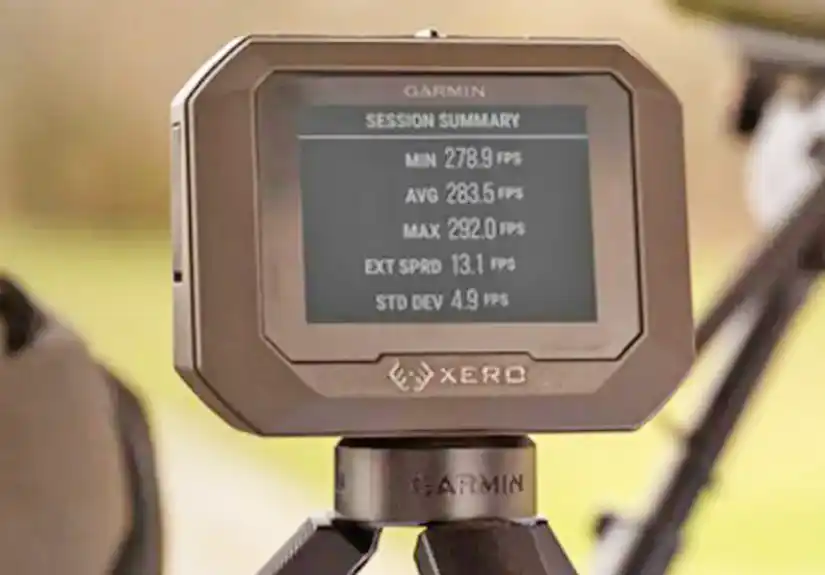
Most shooters have never actually used a shooting chronograph to measure the velocity of their ammunition.
A rifle may feel accurate at the range. Groups on paper may look good. However, without measuring velocity, an important piece of the performance puzzle is missing.
This is where a shooting chronograph becomes useful. The device measures bullet velocity as it leaves the barrel. As a result, shooters gain valuable data about ammunition performance and consistency.
Reloaders depend on this information. In addition, hunters and precision shooters can learn why a load performs well or poorly at longer distances.
What Is a Shooting Chronograph and How Does It Work?
A shooting chronograph measures the speed of a bullet as it passes through a sensing area placed in front of the firearm.
The device records the projectile’s velocity and then displays the results on a screen or mobile device. Because of this, shooters can immediately see how fast their ammunition is traveling.
For many years, chronographs were used mostly by gunsmiths and reloaders. Today, however, modern units are much easier to use. They are also affordable for many shooters.
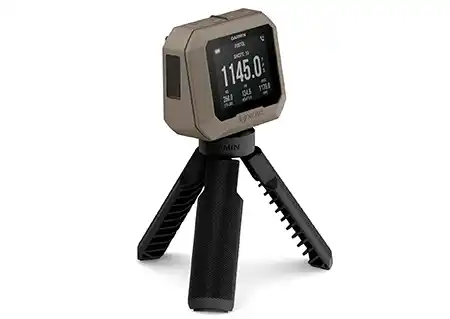
What a Shooting Chronograph Actually Measures
A chronograph does more than show bullet speed. Instead, it provides several measurements that help shooters understand how ammunition performs.
Muzzle Velocity
Muzzle velocity is the speed of the bullet as it leaves the barrel.
Velocity affects trajectory and bullet drop. It also affects terminal performance. Therefore, knowing the real velocity of your ammunition improves ballistic calculations.
Extreme Spread
Extreme spread measures the difference between the fastest and slowest shots in a string.
For example, one shot may travel at 2,750 feet per second while another travels at 2,700. The extreme spread would be 50 fps.
Large spreads often indicate inconsistent ammunition. As a result, smaller spreads usually produce more predictable results downrange.
Standard Deviation
Standard deviation measures how consistent the velocities are within a group of shots.
Precision shooters track this closely because lower velocity variation usually leads to tighter groups at longer distances.
Why Velocity Consistency Matters
Even small velocity differences can cause vertical spread as distance increases.
At 100 yards, the difference may not be visible. However, at 600 yards or beyond, inconsistent velocity can move impacts several inches up or down.
Because of this, many long-range shooters rely on chronograph data when evaluating ammunition.
Why Reloaders Use a Shooting Chronograph
Reloaders depend heavily on chronographs during load development.
Velocity data shows how powder charges, bullet weights, and seating depth affect performance. Instead of guessing, reloaders can measure exactly what each load is doing.
As a result, they can find loads that provide both accuracy and consistent velocity.
Why Factory Ammo Shooters Should Care
Even shooters who never reload can benefit from chronograph data.
Factory ammunition can vary from lot to lot. Measuring velocity confirms whether the ammunition is performing as expected.
It also helps shooters build more accurate ballistic profiles for their rifles.
Types of Shooting Chronographs for Rifle Shooters
Optical Shooting Chronographs
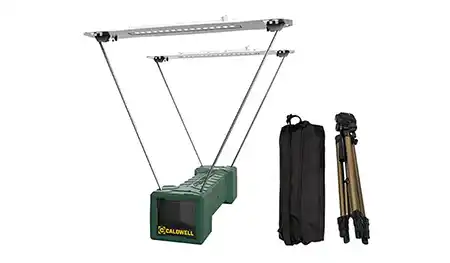
Traditional chronographs use optical sensors placed in front of the muzzle.
The bullet passes over sensors that measure velocity. Because of their simple design, these models are often the most affordable option.
Barrel-Mounted Shooting Chronographs
Some chronographs attach directly to the rifle barrel.
These models measure velocity using electromagnetic sensors. Because they mount to the firearm, shooters do not need to place equipment downrange.
Radar Shooting Chronographs
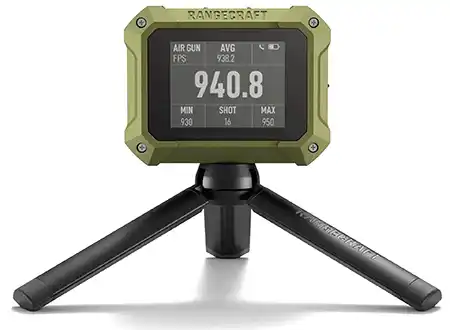
Radar chronographs use Doppler radar technology to track bullet speed.
As a result, these systems are extremely accurate and require very little setup.
Popular Shooting Chronograph Brands Shooters Trust
Several manufacturers have built strong reputations for producing reliable chronographs.
- Garmin
- MagnetoSpeed
- Caldwell
- Labradar
Each brand offers different designs and price levels. Some focus on affordability. Others offer advanced radar technology.
Choosing the Right Shooting Chronograph for Your Budget
Entry Level Shooting Chronographs ($120 to $200)
These are usually optical chronographs with sensors placed downrange.
They are affordable and work well for most shooters. However, they require a little more setup at the range.
Mid-Range Shooting Chronographs ($200 to $400)
Many shooters choose barrel-mounted units in this range.
Because they attach to the firearm, they are faster to set up and easier to use.
Premium Shooting Chronographs ($500+)
Radar chronographs represent the high end of the market.
These systems track bullet velocity without attaching anything to the firearm. In addition, they often provide detailed shot data.
Common Chronograph Mistakes New Shooters Make
Many shooters struggle with chronographs at first. However, the problem is usually setup rather than the device itself.
- Placing optical sensors too close to the muzzle
- Using poor lighting with optical chronographs
- Standing too far away from radar units
- Failing to record multiple shots for consistent data
Because of these issues, many shooters assume their ammunition is inconsistent. In reality, the chronograph simply needs to be positioned correctly.
What Is the Best Shooting Chronograph?
The best shooting chronograph depends on how you plan to use it. Some shooters prefer compact radar units because they require very little setup. Others prefer barrel-mounted models that attach directly to the rifle.
Traditional optical chronographs are still popular because they are affordable and accurate. However, radar chronographs have become increasingly common because they are easier to use at the range.
Because each design solves a different problem, many shooters simply choose the chronograph that fits their budget and range setup.
Where to Buy a Shooting Chronograph
Because several brands and styles exist, it is usually best to browse available models before deciding which chronograph fits your needs.
Check current prices and availability:
Prices on shooting chronographs can vary depending on sales, coupon codes, and inventory. It is worth checking multiple retailers before buying.
Who Actually Needs a Shooting Chronograph?
- Precision rifle shooters
- Reloaders developing loads
- Long-range competitors
- Hunters verifying ballistic data
Even casual shooters may find that velocity data helps them better understand their rifles and ammunition.
Final Thoughts
Velocity is one of the most important variables affecting bullet performance.
Without measuring it, shooters rely on estimates. However, a shooting chronograph removes much of that guesswork.
By measuring real velocity data, shooters gain a clearer picture of how their ammunition performs. As a result, they can improve consistency and make better decisions at the range.