
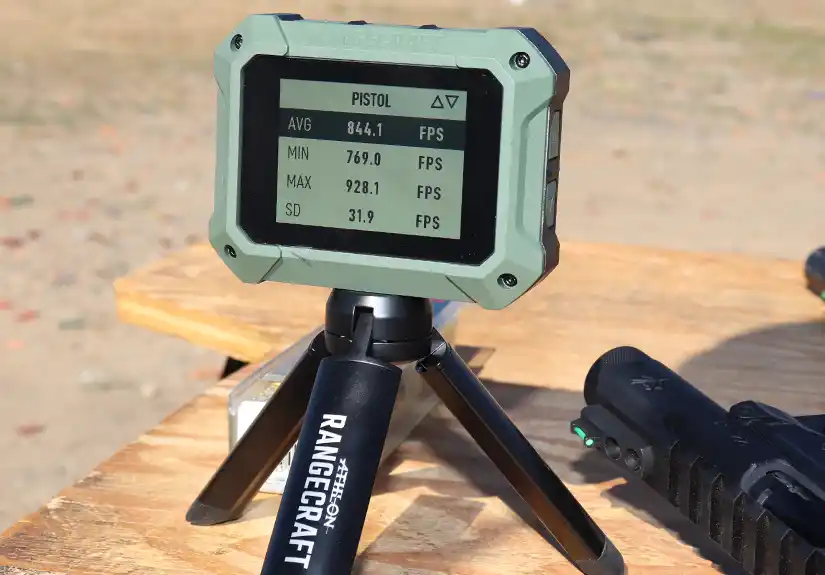
A shooting chronograph does more than confirm how fast a bullet is traveling. It shows whether the ammunition is consistent, gives you better data for a ballistic calculator, and can explain vertical spread that may not be obvious at shorter distances.
I have been using the Athlon Rangecraft Velocity Pro while testing factory ammunition in several firearms. I am still gathering data for a full review, but the experience has reinforced how useful real velocity numbers can be, even for shooters who do not reload.
This guide explains what a shooting chronograph measures, what extreme spread and standard deviation mean, and why compact radar models have made velocity testing much easier.
What Does a Shooting Chronograph Measure?
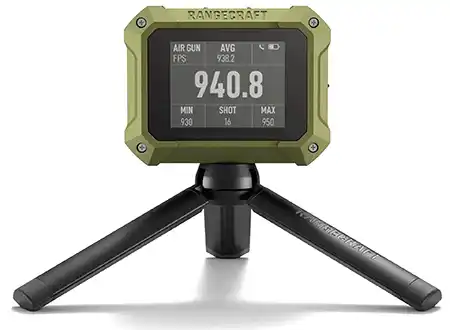
A shooting chronograph records projectile velocity. Depending on the unit, it may also calculate the average velocity, extreme spread, and standard deviation for a string of shots.
Those numbers do not replace shooting groups on paper. They add context. A load can produce a small group at 50 or 100 yards while still showing enough velocity variation to create vertical dispersion farther downrange.
Velocity
Velocity is the speed of the projectile, usually displayed in feet per second. Actual velocity can differ from the number printed on an ammunition box because manufacturers test with specific barrel lengths and controlled conditions.
Your firearm may have a shorter or longer barrel. Temperature, ammunition lot, chamber dimensions, and other factors can also affect the result. A chronograph gives you data from the firearm and ammunition you are actually using.
Average Velocity
The average is more useful than treating one shot as representative of the entire load. A longer string gives you a better picture of typical performance and provides a stronger starting point for ballistic calculations.
Extreme Spread
Extreme spread, usually shortened to ES, is the difference between the fastest and slowest shots in a string.
If the fastest shot is 2,750 fps and the slowest is 2,700 fps, the extreme spread is 50 fps. ES is easy to understand, but one unusually fast or slow shot can change it significantly.
Standard Deviation
Standard deviation, or SD, shows how tightly the individual velocities cluster around the average. It is generally more useful than ES when comparing longer shot strings because it considers every recorded shot.
A lower SD does not automatically guarantee smaller groups. Accuracy still depends on the firearm, ammunition, shooter, and conditions. However, consistent velocity usually helps reduce unexplained vertical dispersion as distance increases.
Why Factory Ammunition Shooters Should Use a Chronograph
Chronographs are often associated with handloading, but factory ammunition shooters can learn plenty from them.
Manufacturers publish velocity figures based on their own test barrels. Measuring the same load in your rifle or pistol tells you what it actually produces from your barrel. That makes ballistic calculator inputs more useful and helps explain why two ammunition brands may have different points of impact.
Velocity testing can also help with:
- Comparing bullet weights and ammunition brands
- Checking consistency between different lots
- Confirming subsonic ammunition stays below the speed of sound in your firearm
- Estimating realistic bullet drop and remaining energy
- Identifying an unusual shot before blaming the rifle or optic
For rimfire shooters, a chronograph can reveal meaningful differences between standard-velocity, high-velocity, and subsonic loads. For centerfire shooters, it provides the real muzzle-velocity input needed for more accurate long-range data.
Why Reloaders Depend on Velocity Data
Reloaders use chronographs to see how changes in powder charge, bullet, primer, brass, seating depth, and temperature affect performance.
The goal is not simply to chase the highest speed. A useful load should remain within published limits, produce acceptable accuracy, and deliver consistent velocity. Chronograph data helps identify promising combinations and can reveal pressure-related changes that deserve closer attention.
Velocity should never replace published load data or normal pressure checks. It is another measurement, not permission to exceed safe loading practices.
Three Main Types of Shooting Chronographs
Optical Chronographs
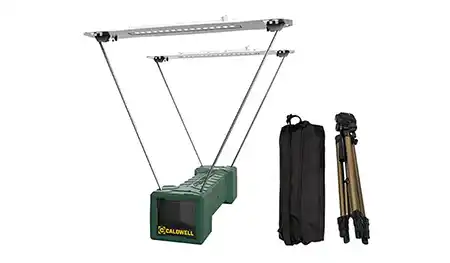
Optical chronographs place sensors in front of the firing line. The projectile passes over the sensors, which calculate velocity based on the time between them.
They can be affordable and accurate, but lighting and alignment matter. Setup may also require going downrange, which is inconvenient or impossible at a busy public range.
Barrel-Mounted Chronographs
Barrel-mounted chronographs use sensors attached near the muzzle. They avoid downrange setup and can work in changing light.
The tradeoff is that attaching weight to the barrel may change harmonics or point of impact. That may not matter when the only goal is collecting velocity, but it complicates testing velocity and group size at the same time.
Radar Chronographs
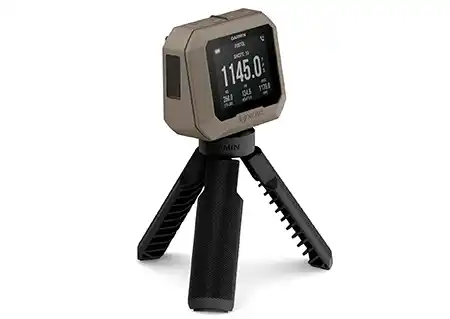
Radar chronographs sit beside the firearm and track the projectile without anything attached to the barrel. Compact models require little setup and work well when the firing line cannot go cold.
Because they do not rely on muzzle blast, radar units can also work with suppressors, muzzle brakes, and other muzzle devices. Placement still matters, so the manufacturer’s instructions should be followed for the firearm and projectile being tested.
Athlon Rangecraft Velocity Pro: The Unit I Am Testing
The Athlon Rangecraft Velocity Pro uses Doppler radar and measures projectiles from 65 to 5,000 fps. It sits next to the firearm, so it does not add weight to the barrel or require firing through optical screens.
Athlon lists the current MSRP at $499.99. The chronograph pairs with the Athlon Ballistics app, and recent app and firmware updates added live velocity tracking, side-by-side session comparisons, over-the-air firmware updates, and Excel export.
Those software features matter because collecting velocity is only part of the job. Shooters also need a practical way to label sessions, compare ammunition, and move the data into their own records.
I am not ready to publish a final verdict yet. My full Rangecraft Velocity Pro review will cover setup, missed readings, suppressed and unsuppressed use, the app, exporting sessions, and how useful the package is over extended testing.
One warranty detail is worth noting now. Athlon’s normal lifetime optics warranty does not apply to the Rangecraft Velocity Pro. Athlon lists a standard one-year warranty for the chronograph.
See the Athlon Rangecraft Velocity Pro specifications and current price.
How Many Shots Should You Record?
A few shots can provide a quick velocity check, but they do not say much about consistency. For ammunition comparisons, I prefer enough shots to make the average, ES, and SD meaningful.
The exact number depends on the goal and the amount of ammunition available. A ten-shot string is a practical starting point for many factory-load comparisons. Longer strings provide better statistical confidence, while several shorter strings can help show whether the results repeat.
Common Chronograph Mistakes
Most chronograph problems come from setup or recordkeeping rather than the ammunition.
- Positioning the unit incorrectly for the firearm or projectile
- Using too few shots to judge consistency
- Mixing ammunition lots in the same session
- Failing to record barrel length, temperature, or ammunition details
- Comparing ES and SD from shot strings of very different sizes
- Assuming one missed reading means the chronograph is unreliable
The best habit is to label each session clearly. Record the firearm, barrel length, ammunition, bullet weight, lot number when available, and relevant weather conditions.
What Is the Best Shooting Chronograph?
The best shooting chronograph is the one that fits your range and the way you test ammunition.
Optical units remain a reasonable budget choice when lighting and downrange setup are not problems. Barrel-mounted models are convenient and proven, especially when velocity is the main concern. Compact radar chronographs cost more, but their fast setup and lack of barrel contact make them easier to use during a normal range session.
For me, convenience matters. A chronograph that is quick to place and start is more likely to come out of the range bag regularly.
Where to Buy a Shooting Chronograph
Prices and inventory vary, so it is worth checking more than one source.
- Check shooting chronographs at MidwayUSA
- Check chronographs and shot timers at Brownells
- Browse shooting chronographs on Amazon
Final Thoughts
A shooting chronograph turns assumptions into useful numbers. It can show whether a factory load is delivering its advertised speed, whether two ammunition lots perform the same, and whether velocity variation may contribute to vertical spread at distance.
You do not need to be a reloader or competitor to benefit. Even recreational shooters can use chronograph data to choose ammunition, improve ballistic calculations, and better understand what is happening between the muzzle and the target.
I will update this topic again after completing my long-term testing of the Athlon Rangecraft Velocity Pro.